UI/UX Design
Are you looking for UI/UX experts? Entrust your design needs to our proficient team, dedicated to creating seamless and visually appealing user experiences. With a focus on innovation and user-centric design, we bring expertise to transform your ideas into captivating interfaces that leave a lasting impression.
When you partner with DigiSenseHub, you’ll gain access to our full range of UI/UX services. These services are designed to optimize every facet of your UI/UX including:
Understanding the target audience by gathering insights into their behaviors, preferences, and needs is crucial for any UI/UX design company. This involves methods such as interviews, surveys, and competitor analysis. By leveraging these techniques, a UI/UX design services company can ensure they create user-centric designs that meet the specific needs of their clients. Engaging a skilled UI/UX designer in this process helps in translating these insights into intuitive and effective user interfaces.
Competitor Analysis: Study competitors to understand their strengths, weaknesses, and market gaps.
Stakeholder Interviews: Gather insights from customers, employees, and partners to align with company goals.
Surveys and Questionnaires: Collect quantitative data to understand audience trends and preferences.
User Interviews: Gain in-depth insights into user experiences and needs.
Usability Testing: Identify usability issues by observing user interactions with the product.
Analyzing the Company's Goals: Align user research findings with the company's strategic objectives.
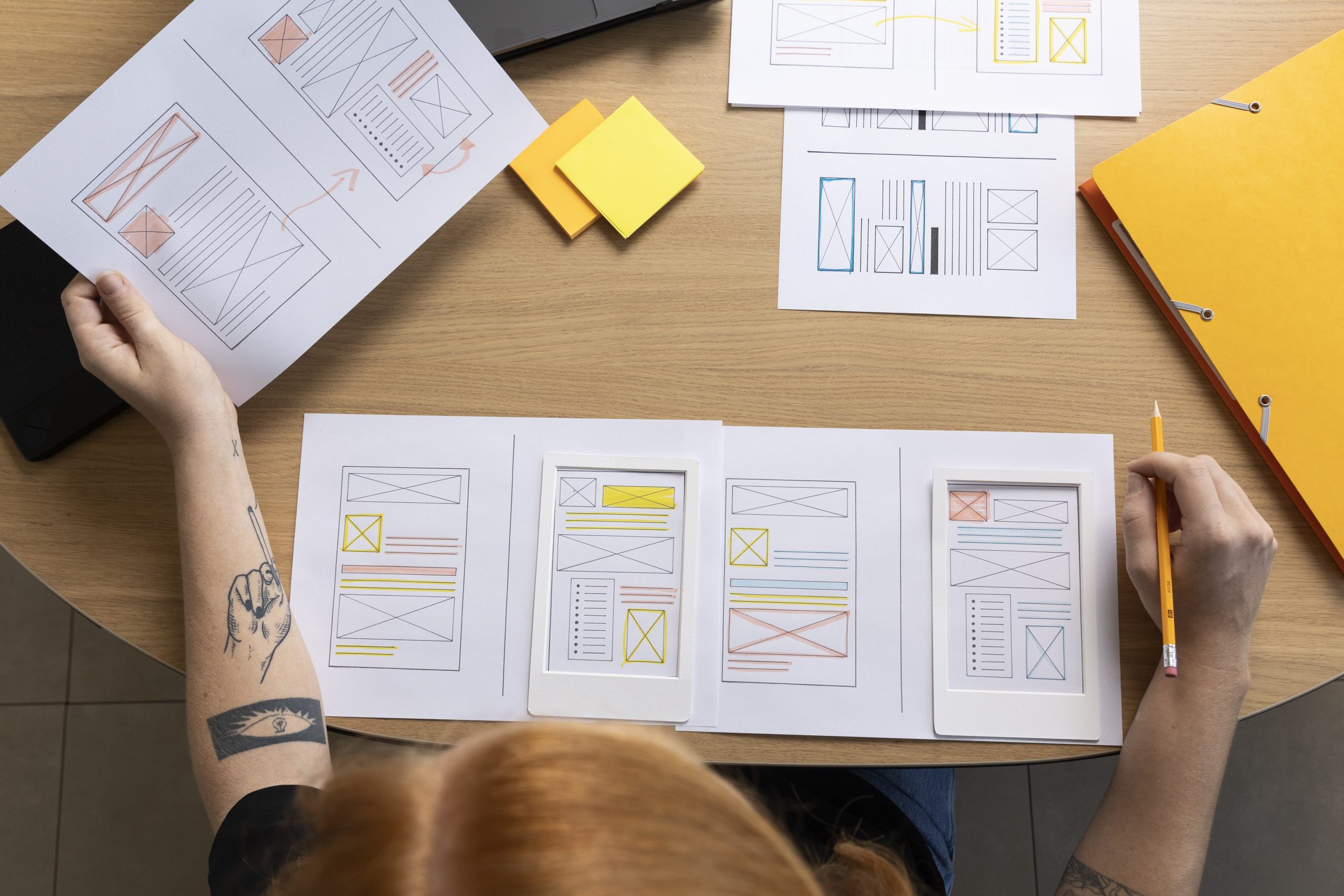
Concern the organization of an interface’s design, or the establishment of how an interface should be constructed to maintain order and accessibility. Information architecture defines how content is to be laid out while wireframing gets to the frameworks that are to be used to erect a site without necessarily focusing on the intricacies of the layout. Combined, both forms assist designers in developing excellent user interface that can fulfill the requirements of the users and the business respective.
Structure: Organizing the overall layout.
Navigation: Designing how users move through the interface.
Content Placement: Determining where content elements are positioned.
Interaction: Planning user interactions with the interface.
Usability: Ensuring the interface is user-friendly and intuitive.
Building prototypes that are easily interactive makes it possible for designers to show the likely interaction and operations of a given design before coming up with the final design. User testing is an essential activity here because what the user has to experience is real problems and challenges, for example, confusing navigation or inadequate user flow. It is then utilized in providing feedback to the current design in design enhancement in improving the design.
Color Palettes: Choosing harmonious colors to enhance visual appeal.
Typography: Selecting readable and aesthetically pleasing fonts.
Imagery: Using relevant images to support content and design.
Graphical Elements: Incorporating icons, buttons, and other visuals.
Maintaining Visual Consistency: Ensuring a cohesive look and feel across the interface.
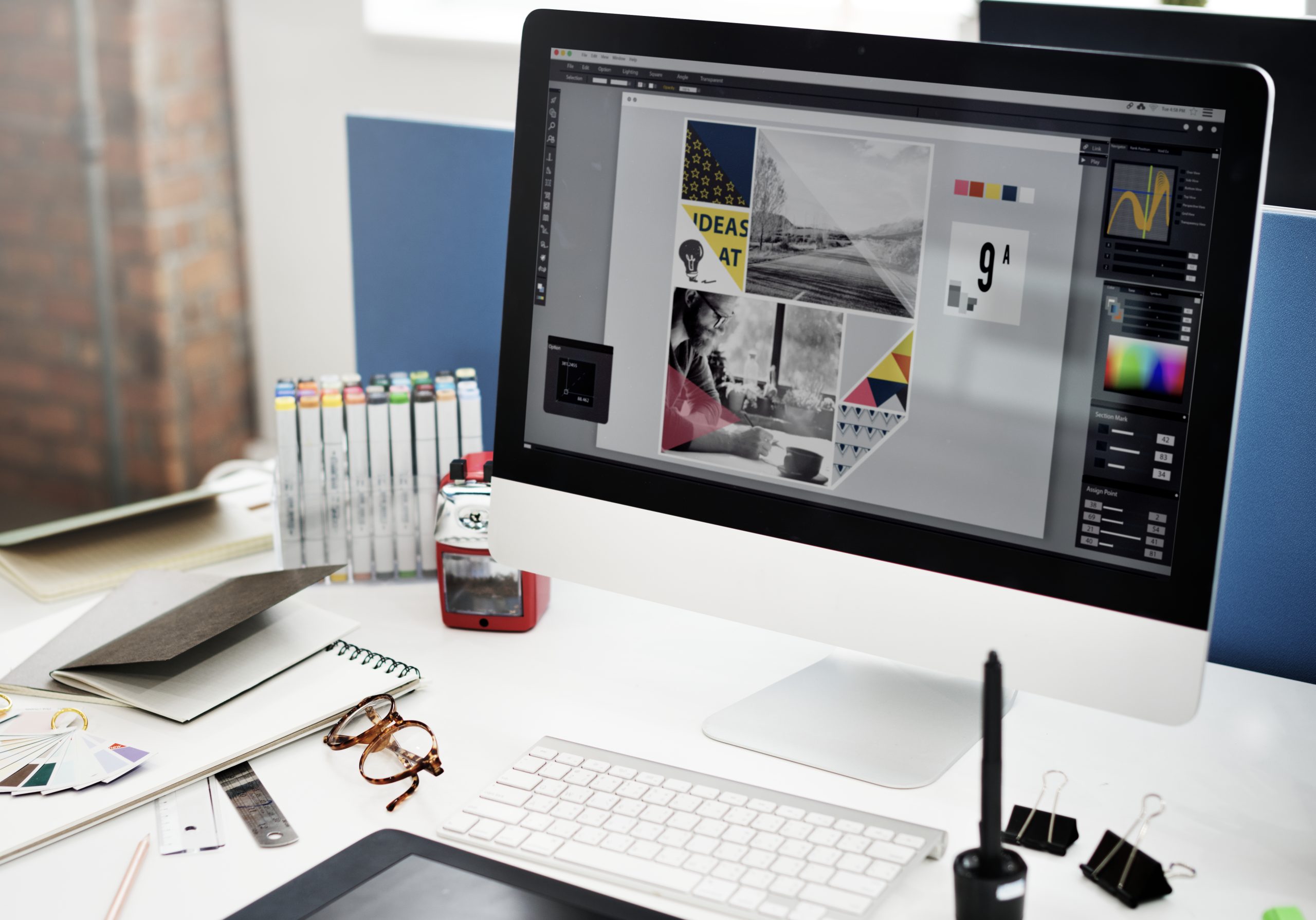
Including the Overall Layout or Design That Best Reflects the Brand Image and Helps in Engaging Users Involves Decision on the Combination of Colors, Typeface. This creates a sense of congruency between the design and the user and helps to enhance the brand identity while creating a far more pleasant usability experience.
Usability Testing: Conduct tests to ensure the design is user-friendly.
Feedback Analysis: Gather and analyze user feedback to identify areas for improvement.
Iteration: Make iterative changes based on feedback to refine the design.
Prototype Refinement: Enhance the prototype to better meet user needs and expectations.
Final Design Production: Produce the final design, ensuring it is polished and ready for implementation.
Responsiveness should also be considered because the design should work equally well on any screen size and device the project will be viewed on. Accessibility is the process of taking when designing, focusing on persons with disabilities to ensure that the design is in compliance with the standards. This approach ensures users with physical impairments, Down syndrome, or any other type of disability will be able to use the design as every other user. As designers consider websites and applications to be more responsive, more accessible structures are developed in order to meet a wider market’s needs, thus optimizing the usability and gratification of a website/app on different platforms and screen sizes.

Responsive Design: Ensures the design adapts to various screen sizes and devices.
Accessibility: Focuses on designing for users with diverse abilities.
Compliance with Standards: Ensures the design meets accessibility guidelines.
Inclusive Design: Allows users with disabilities to interact with the design effectively.
Market Reach: Expands usability to a broader audience.
Optimized Usability: Enhances user satisfaction across different platforms.
The design will only be implemented if developers are involved from the onset and regularly consulted throughout the process. Several times users touch a site or an application needs to be performed along with their feedback analysis and possible modifications again serve the purpose of providing the ideal user experience. It will help to consolidate several versions into a more polished and effective final product, which will be in line with the user's expectations.
Developer Involvement: Engage developers from the beginning and consult them regularly.
Feedback Analysis: Gather and analyze user feedback to identify areas for improvement.
Iterative Modifications: Make necessary changes based on feedback to enhance the design.
Polished Final Product: Consolidate versions into a final product that meets user expectations.
Our Approach to Design
We combine research, creativity, and technology to create intuitive digital experiences.
User Research & Discovery
We conduct in-depth research to understand your business goals, target audience, and user behavior, creating a strong foundation for effective design decisions.
Information Architecture
Our team organizes content and user flows strategically to ensure seamless navigation and an intuitive experience across all digital touchpoints.
Wireframing & Prototyping
We create interactive wireframes and prototypes to visualize layouts, test functionality, and validate concepts before development begins.
Visual Design & Branding
Our designers craft visually compelling interfaces that align with your brand identity while maintaining consistency, usability, and accessibility.
Experience Testing / User Validation
We evaluate designs through user testing and feedback to identify improvements, optimize interactions, and enhance overall user satisfaction.
Continuous Improvement
Using analytics and user insights, we refine and enhance digital experiences over time to ensure long-term performance and engagement.
Why Choose DigisenseHub for UI/UX Design?
User-Centered Design
Research-Driven Strategy
Intuitive User Experience
Modern UI Design
Responsive Across Devices
Usability Testing
Faster Project Delivery
Scalable Design Solutions
Industries we serve
Digitlay created results for more than 50+ industries & continuing
Healthcare
Real Estate
Finance
Education
Entertainment
Travel & Tourism
Wellness and Fitness
Technology
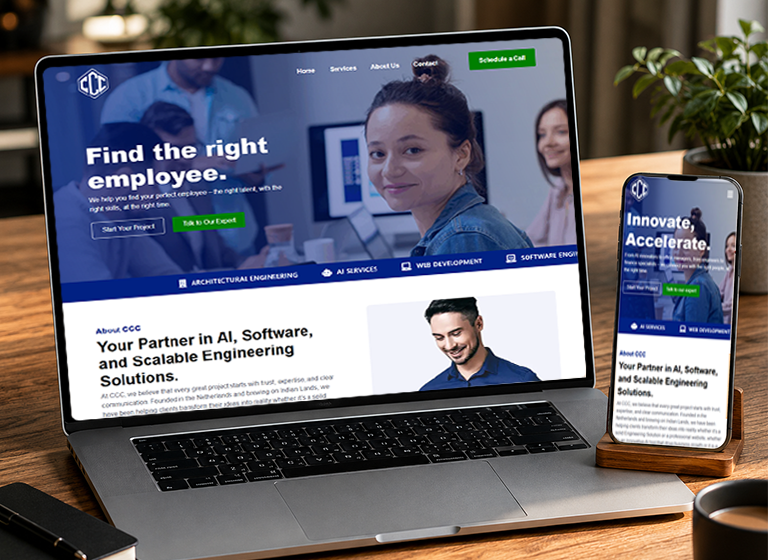
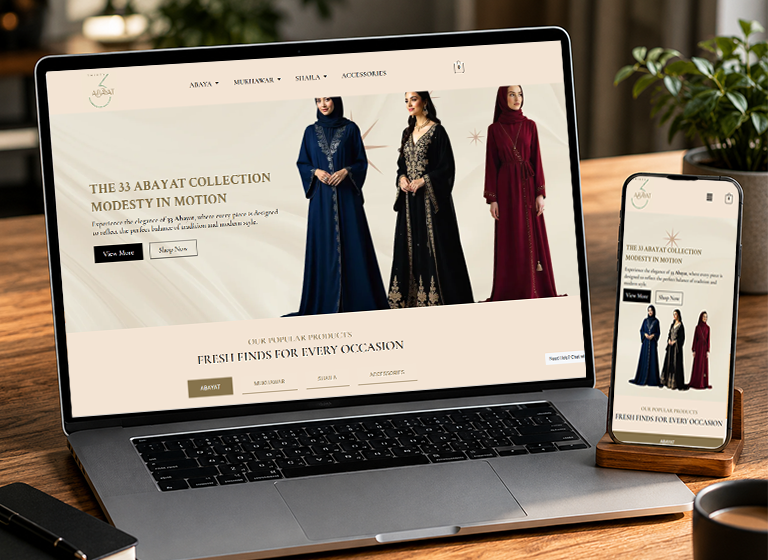
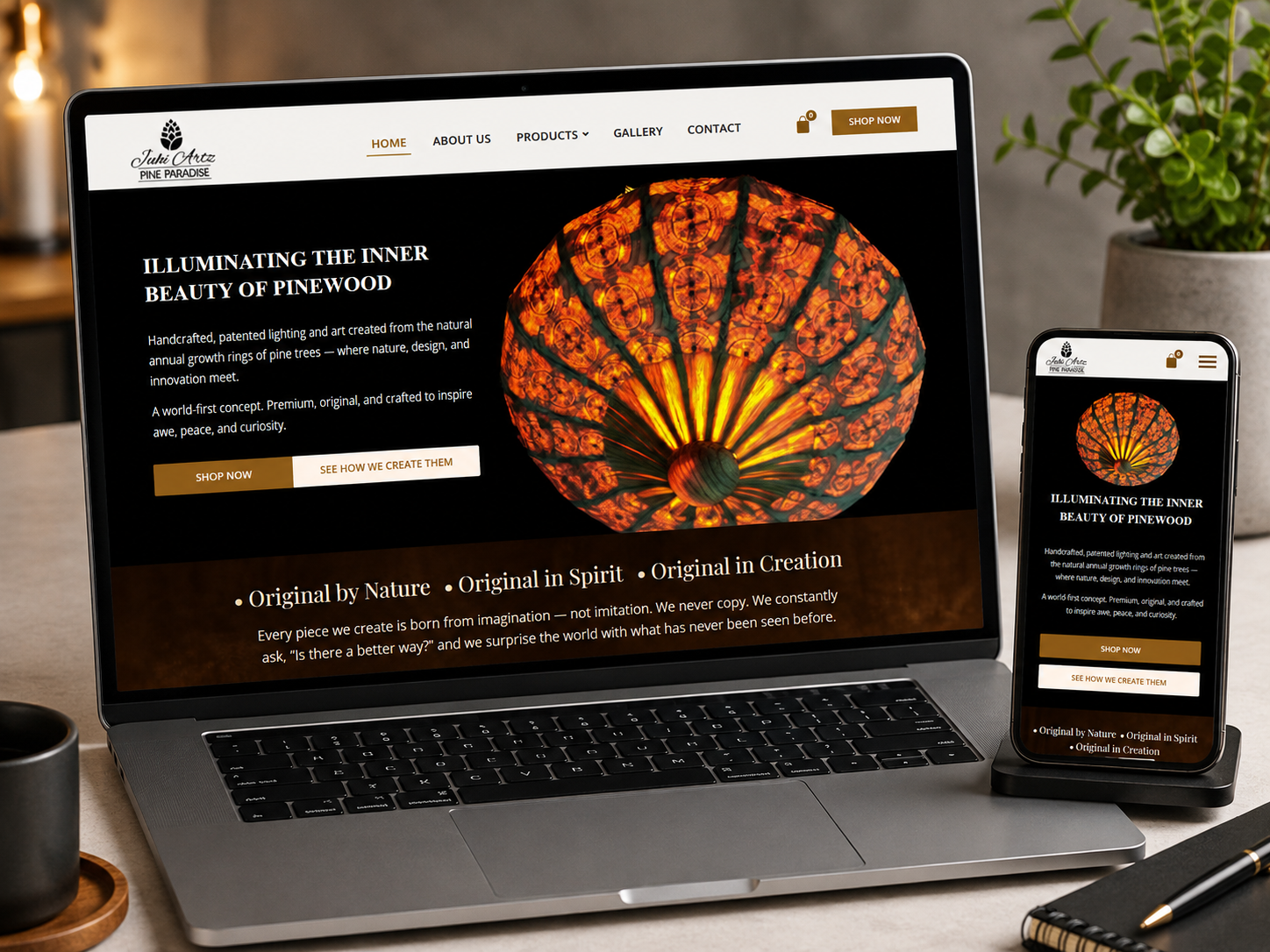
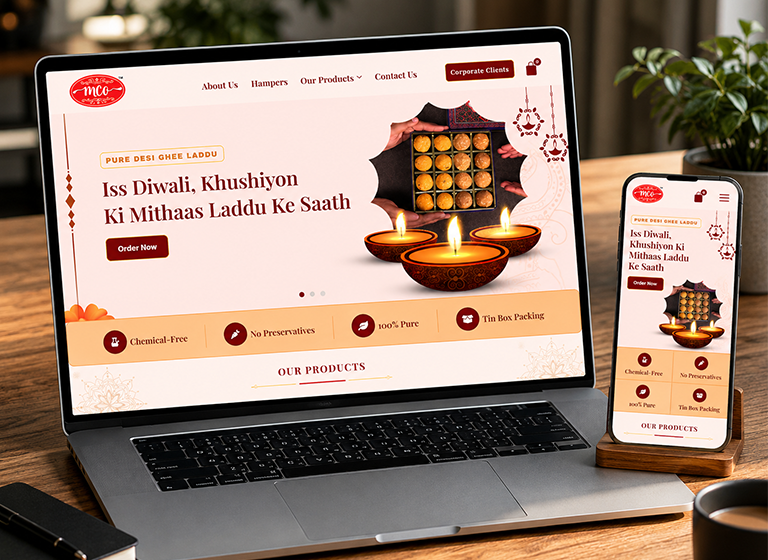
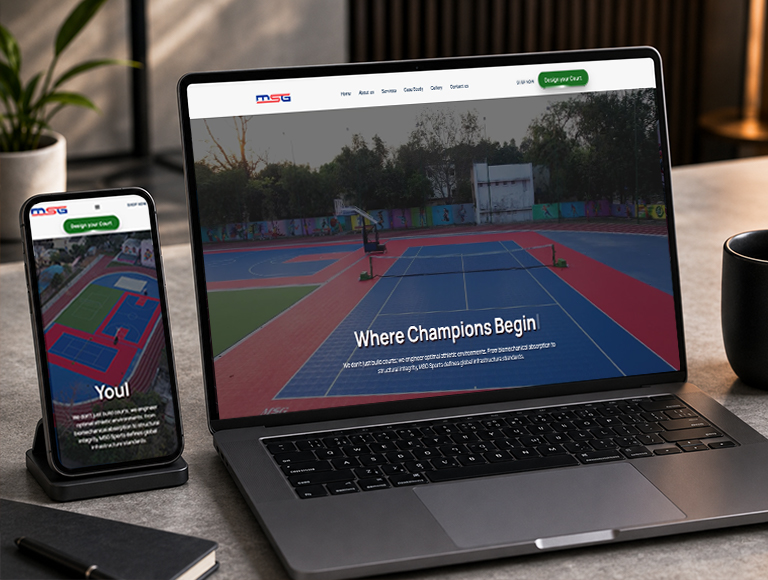
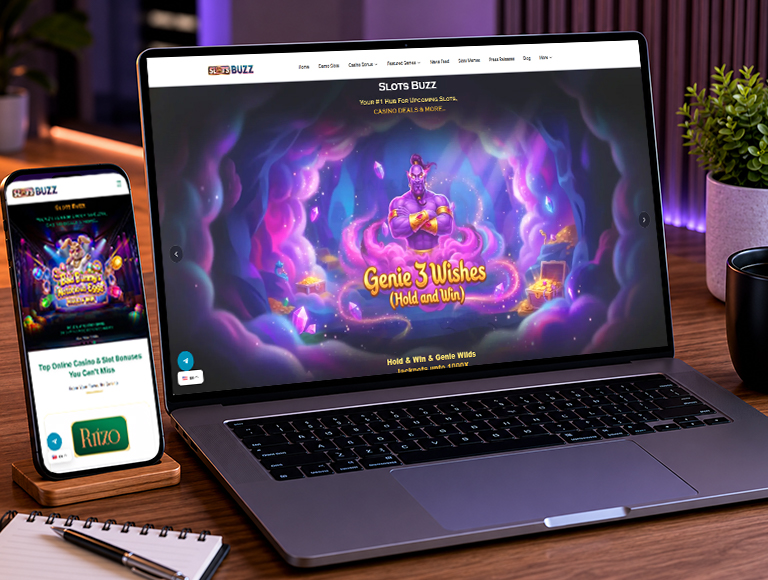
Some of Our Cases
See More PortfolioAlready imagined how your website or app would look like?
Technology & Tools
When you partner with DigiSenseHub, you’ll gain access to our full range of UI/UX services. These services are designed to optimize every facet of your UI/UX including:
Adobe Xd
Figma
Photoshop
Sketch
InVision
Miro
Maze
Get In Touch
With Us
We're here to provide you with excellent customer service. Don't hesitate to reach out to us
Email ID